


On the morning of September 4, 2023, a 19-year-old named Noah Presgrove was found dead along U.S. Highway 81 near Terral, Oklahoma. Noah Presgrove was naked, wearing only mismatched shoes, and had suffered multiple blunt force injuries. More than two years later, his death remains legally unresolved. No one has been criminally charged. The medical examiner never settled on a manner of death. And in 2025, his family filed a wrongful death lawsuit that has pulled the case back into the national spotlight.
This article sticks to what has actually been reported by named journalists, court filings, and law enforcement statements. Where information about Noah Presgrove simply isn’t public details about his personal life, his physical description, or his social media presence that’s stated plainly instead of guessed at. Given that this is an active legal case involving a young man’s death, getting the facts right matters more than filling in blanks.
The Night Noah Presgrove Died
Noah Presgrove spent the final weekend of his life at a multi-day Labor Day party in the small community of Terral, Oklahoma, near the Texas border in Jefferson County. According to accounts pieced together afterward, the party had been going on for days and involved a group of young people, some of them underage, drinking on private property.
At some point during the night, Noah Presgrove was involved in an ATV rollover. Rather than seeking medical attention or leaving the scene, the medical examiner’s report indicates he returned to the party afterward. What happened in the hours between that rollover and his death is the central unanswered question of the entire case.
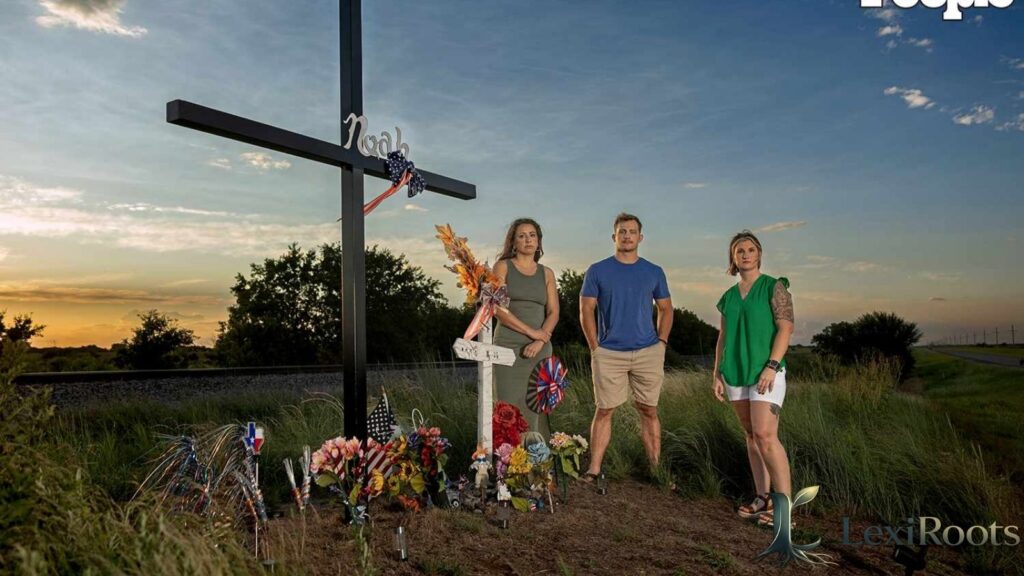
Noah Presgrove body was discovered the following morning, September 4, along the shoulder of U.S. Highway 81. He was unclothed except for a pair of mismatched shoes. Investigators recovered several items near his body, including a necklace, a pair of basketball shorts, and some of his teeth, which had been knocked loose or scattered. The scene itself offered few clues: no vehicle parts, no skid marks, no debris consistent with a typical hit-and-run collision.
Two separate 911 calls were placed that morning and later released publicly. One caller described what appeared to be someone who had been struck while walking along the roadway. A second call reported a body lying naked and motionless on the shoulder. Neither caller reported seeing what had happened, only what they found afterward.
Who Noah Presgrove Was
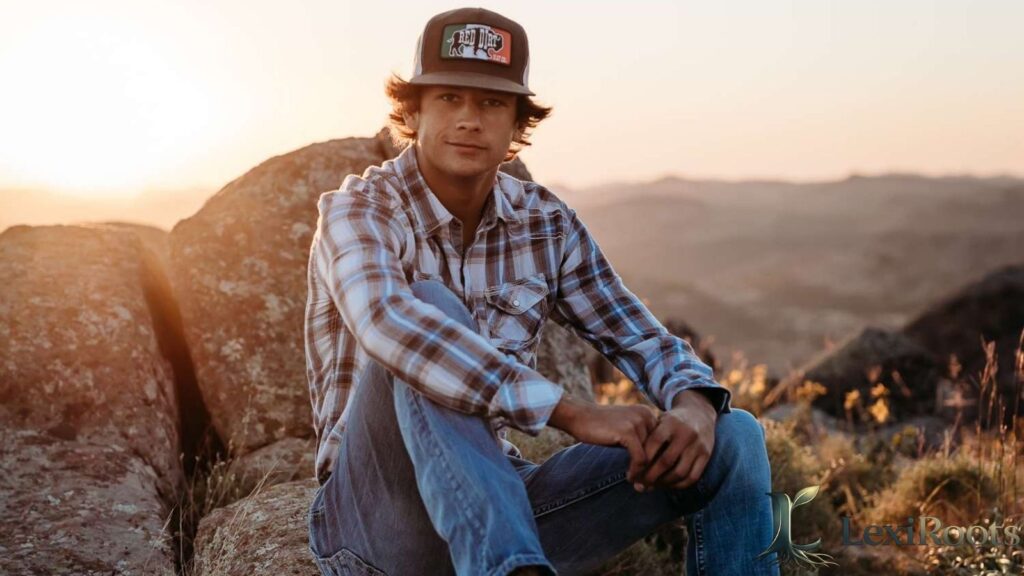
Noah’s legal name was Noah Alexander Nichols, though he had gone publicly by Noah Presgrove for most of his life. He was 19 years old and from Comanche, Oklahoma, a small town in the southwestern part of the state. By the time of his death, he had already graduated high school, doing so three months ahead of schedule. Noah Presgrove plan, according to family members who later spoke to reporters, was to enlist in the military alongside a cousin, which is part of why several news outlets have referred to him as a “Marine hopeful” in their coverage.
Beyond these basic facts, verified public reporting doesn’t go much further into Noah’s personal life. There’s no confirmed information available about his relationship status, detailed family structure beyond a couple of relatives who have spoken to media, hobbies, physical description, or any social media accounts tied specifically to him. Rather than invent those details for the sake of completeness, this article leaves them out. What can be said with confidence is that his family has remained an active, visible presence throughout the investigation and the lawsuit that followed.
Noah Presgrove brother, Dailen Presgrove, has spoken to reporters about the toll of the unanswered questions, at one point remarking that seven months without answers was already too long a comment made well over a year before the case would still be unresolved. A cousin, Lindsay Fowler, has also given interviews emphasizing the family’s belief that someone out there knows what happened to Noah and has simply chosen not to come forward.
How the Investigation Unfolded
In the immediate aftermath of Noah Presgrove’s death, the Oklahoma State Bureau of Investigation, commonly known as OSBI, described the case as suspicious. That word choice mattered. It signaled that investigators weren’t treating this as a routine traffic fatality, but as something that might involve foul play.
For the better part of a year, the case sat in that ambiguous space, generating local headlines but few concrete updates. Then, in May 2024, OSBI announced a shift. After what the agency described as numerous interviews and a thorough review of the available leads and evidence, investigators said they were no longer treating Presgrove’s death as a murder. The announcement didn’t clear anyone by name, and it didn’t offer an alternative explanation. It simply removed homicide from the working theory, at least officially, leaving the family with more questions than they’d started with.
Responsibility for the investigation eventually shifted to the Oklahoma Highway Patrol, which continues to list the case as open. A spokesperson for the agency, when asked directly by reporters, said only that the investigation was ongoing and that there was no additional information available to share. That kind of institutional silence has become one of the defining features of the Noah Presgrove case: an agency that hasn’t closed the book, but also hasn’t said much of anything new in a long time.
What the Autopsy of Noah Presgrove Actually Says
The medical examiner’s report is one of the few pieces of hard, documented evidence in the public record, and it’s worth quoting closely because so much of the public debate around this case hinges on its wording. The report attributes Noah’s death to multiple blunt force injuries. Critically, it lists the manner of death as undetermined, not homicide, not accident, not suicide, and not natural causes. In forensic terminology, “undetermined” is essentially an admission that the evidence doesn’t clearly point to one category over the others.
The report also documents the state in which his body was found: naked except for shoes, with no vehicle parts or debris anywhere near the scene. That last detail is significant. In a typical hit-and-run, investigators expect to find broken glass, plastic fragments from a bumper or headlight assembly, paint transfer, or tire marks. None of that was present. That absence has fueled skepticism toward the early theory that Noah Presgrove was simply struck by a passing vehicle while walking along the highway.
Forensic pathologist Dr. Michael Baden, a well-known figure in American forensic science who has consulted on cases ranging from the government’s re-investigation of Martin Luther King Jr.’s assassination to the death of Michael Brown in Ferguson, Missouri, reviewed the medical examiner’s findings and offered his own interpretation to reporters. Baden pointed to evidence of significant internal bleeding, explaining that this kind of bleeding indicates the heart continued pumping for some period of time after the injuries occurred, meaning Presgrove did not die instantly.
Baden characterized the injuries as consistent with a hit-and-run scenario, while also acknowledging why authorities were hesitant to formally classify the death as either an accident or a homicide. In his own words to reporters, it was a very sad case that simply didn’t offer a clean answer either way. It’s worth noting that Baden’s read is one professional opinion, not an official finding, and it existed before the 2025 lawsuit introduced an entirely different theory: that Presgrove wasn’t hit by a vehicle at all, but was beaten.
The 2025 Wrongful Death Lawsuit
Nearly two years to the day after Presgrove’s death, in June 2025, his family filed a civil wrongful death lawsuit in Oklahoma. Unlike a criminal case, a wrongful death suit doesn’t require proof beyond a reasonable doubt, and it doesn’t result in jail time for anyone found liable. Instead, it asks a jury to decide, based on a lower standard of proof, whether the defendants bear financial responsibility for Noah’s death.
The lawsuit’s central claim is that a group of people at the Labor Day party gave Noah Presgrove, then still a minor by only a few months from turning 20 but underage for drinking purposes, dangerous amounts of alcohol, and that this set off a chain of events that led directly to his death. The family’s attorney, Tim Gilpin, explained the legal logic behind that argument in blunt terms: once someone unlawfully serves alcohol to a minor, they’ve crossed a clear statutory line, and if injuries follow, that violation can become the foundation for civil liability.
Noah Presgrove also made a point that’s easy to miss for people used to thinking about this case in criminal terms: a civil jury doesn’t need criminal charges to exist first in order to find defendants liable. The two tracks, criminal and civil, operate independently.
The lawsuit goes further than simply alleging reckless alcohol service. According to Ryan Sailors, the attorney representing the family, at least two of the named defendants are believed to have conspired to physically assault Presgrove, and that assault is what caused his fatal injuries, not a vehicle collision at all. Sailors has been candid that even his own legal team doesn’t have every answer.
He’s said publicly that he isn’t certain whether Presgrove’s body was deliberately moved to the highway after the assault, or whether Noah Presgrove himself, despite suffering serious injuries including what may have been significant brain bleeding, managed to walk some distance before ultimately collapsing where he was found. Sailors has floated the theory that the body may have been dumped along the highway specifically because of how it was positioned and the complete absence of any physical evidence connecting the location to an actual vehicle strike.
Financially, the lawsuit seeks damages of at least $75,000, a figure meant to cover funeral and burial costs, pain and suffering, lost future earnings, loss of companionship for the family, and punitive damages intended to punish what the family alleges was reckless or intentional conduct.
The People Named in the Lawsuit
Court filings identify several individuals and one business as defendants in the case. According to the complaint, the multi-day party was hosted by three people: Avery Howard, Carter Combs, and Logan Jernigan. The party itself took place on land owned by a man named Johnnie Wilcoxson, inside a trailer that belonged to a separate defendant, Stevie Howard. The lawsuit also names Jack Newton, who is alleged to have purchased alcohol despite being underage himself, from a convenience store called Napoli’s. That store, owned by a company called Val-Petrol, is named as a defendant on the theory that it sold alcohol to a minor in violation of state law.
By late 2025, all eight named defendants had filed formal responses to the lawsuit. None of them admitted liability. Their responses generally fell into two categories: some flatly denied the allegations against them, while others stated they simply didn’t have enough information at that stage of the case to either confirm or deny what the family was claiming.
One defendant’s legal strategy has drawn particular attention. Wilcoxson’s defense team has argued that Presgrove “assumed the risks” by choosing to attend and participate in a party where underage drinking was known to be occurring. It’s a common legal defense in cases involving alcohol-related injuries on private property, essentially arguing that an adult who voluntarily enters a risky situation shares some responsibility for what follows.
The family’s response has been that this misses the point entirely: they argue Wilcoxson, as the property owner, had a responsibility to prevent underage drinking on his land in the first place, and that failing to do so doesn’t get erased just because Presgrove chose to attend. As of the most recent public reporting, Wilcoxson was the fourth of the nine total parties connected to the case to formally respond.
The Fight Over OSBI’s Records
Running parallel to the wrongful death suit is a separate, smaller legal battle over access to information. Attorneys representing the Presgrove family have sought to subpoena the Oklahoma State Bureau of Investigation’s internal records related to the case, hoping to gain access to interview notes, evidence logs, and other material the agency gathered during its investigation.
OSBI initially resisted, formally challenging the subpoena rather than complying with it. That pushback became its own point of tension in the broader case, since it meant the family’s civil attorneys were essentially fighting two fronts at once: building their case against the named defendants while also fighting the state itself for access to information that could support or undermine that case. More recent reporting indicates OSBI has moved toward releasing at least some of the records tied to the investigation, which the family’s legal team has described as a meaningful step after years of feeling like they were operating with limited visibility into what investigators actually found.
Competing Theories About What Happened
Because the manner of death has never been officially settled, a handful of theories have circulated among investigators, forensic experts, attorneys, and independent observers following the case. None of these theories has been proven, and none should be mistaken for an official conclusion. Laying them out separately is meant to clarify what’s speculation and what isn’t, not to endorse any particular version of events.
The hit-and-run theory was the earliest and, for a while, the most widely reported explanation. It holds that Presgrove was struck by a vehicle after leaving or wandering from the party, and that whoever was driving left the scene without reporting it. Dr. Baden’s interpretation of the internal bleeding pattern lent some support to this idea. The theory’s biggest weakness is physical: investigators found no vehicle debris, glass, paint, or tire marks anywhere near the body, which is unusual for a genuine vehicle strike.
The assault theory is the one now driving the 2025 lawsuit. Under this version of events, Presgrove was beaten by one or more people connected to the party, sustained fatal or near-fatal injuries there, and his body was later moved to the highway, possibly to make the death look like a traffic accident rather than what actually happened.
A third, hybrid theory has also been floated by some following the case closely, including independent commentators and at least one true-crime podcast host. This version suggests Presgrove may have suffered a serious injury away from the highway, whether from an assault, a fall, or some other cause, and then either walked toward the road under his own power before collapsing, or was moved there by someone else after the fact, without necessarily involving the kind of coordinated conspiracy alleged in the lawsuit.
It’s worth being clear that independent online commentary, including detailed “theories” posted on platforms like Substack, isn’t the same as verified reporting or evidence, even when it’s detailed or confident in tone. Some of that commentary has speculated about specific mechanisms of injury or sequences of events that go well beyond what’s actually been confirmed by investigators or court filings. This article treats that kind of material as public discussion around the case, not as established fact.
Why the Case Has Drawn National Attention
Local Oklahoma outlets covered Presgrove’s death from the beginning, but the story has since been picked up by larger national platforms, including Fox News and NewsNation, along with true-crime podcasts and independent YouTube and Substack commentators who cover unsolved deaths. Several factors seem to explain why the case has had staying power well beyond a typical local news story.
The unusual circumstances of how his body was found, unclothed and without any of the physical evidence normally associated with a vehicle strike, created an immediate sense that something didn’t add up. The extended timeline, with OSBI walking back its own suspicious classification more than a year after the fact, gave the story a natural narrative arc of shifting explanations.
And the family’s consistent, public willingness to speak to reporters, rather than retreating from media attention, has kept the story in front of new audiences even during long stretches with no formal updates from investigators. The involvement of a recognized forensic expert like Dr. Baden also lent the story a level of credibility that helped it travel beyond local coverage, giving national outlets a named, credentialed source willing to offer analysis rather than speculation.
Where the Case Stands Today
As of the most recent reporting, no one has been criminally charged in connection with Noah Presgrove’s death. The Oklahoma Highway Patrol’s investigation remains formally open, though public updates from the agency have been sparse. On the civil side, the wrongful death lawsuit is moving through the discovery process, with defendants continuing to file responses and the fight over OSBI’s records still working its way through the system.
The family has been fairly direct about their strategy: with the criminal investigation largely stalled, the civil lawsuit functions as an alternate route to information. Civil discovery can compel testimony, depositions, and document production in ways that a quiet, ongoing police investigation often cannot, at least not on a timeline the family finds acceptable. Whether that strategy ultimately produces a clearer picture of what happened to Noah Presgrove that night in Terral remains to be seen.
A Timeline of the Case
Laying the events out in order helps make sense of a case that has unfolded in fits and starts over more than two years.
September 2023. Presgrove attends a multi-day Labor Day party in Terral, Oklahoma, is involved in an ATV rollover, returns to the party, and is later found dead along U.S. Highway 81 on the morning of September 4. OSBI opens an investigation and calls the death suspicious.
Late 2023 into early 2024. The medical examiner’s report is completed, listing multiple blunt force injuries as the cause of death and the manner of death as undetermined. Two 911 calls from the morning Presgrove was found are eventually made public.
May 2024. OSBI announces that after extensive interviews and review, it is no longer investigating the death as a murder. Around this time, forensic pathologist Dr. Michael Baden reviews the autopsy findings publicly and offers his own hit-and-run theory.
Mid-2024 through early 2025. The investigation shifts to the Oklahoma Highway Patrol. Public updates slow considerably, and the family continues speaking to media outlets to keep attention on the case, including remarks from Presgrove’s brother about how long the case had gone without resolution.
June 2025. The Presgrove family files a wrongful death lawsuit naming eight defendants, alleging underage drinking, an assault at the party, and a possible attempt to make the death look like a vehicle accident. Attorneys Ryan Sailors and Tim Gilpin speak publicly about the legal strategy behind the suit.
Mid-to-late 2025. All eight named defendants file formal responses. Property owner Johnnie Wilcoxson’s defense raises an assumption-of-risk argument. Attorneys for the family pursue records from OSBI, which initially challenges the subpoena.
Late 2025 into 2026. Reporting indicates OSBI is moving toward releasing investigative records connected to the case. The wrongful death lawsuit continues through the discovery process, with no criminal charges filed against anyone as of the most recent public updates.
How Wrongful Death Lawsuits Work in Cases Like This
Because much of the current activity around Noah Presgrove’s case is happening in civil court rather than criminal court, it’s worth explaining briefly how that process actually functions, since it’s easy to conflate the two. A criminal case requires prosecutors to prove guilt beyond a reasonable doubt, and it can result in jail time for a defendant found guilty. No prosecutor has filed criminal charges in connection with Presgrove’s death, which is why terms like “arrest” or “suspect” don’t currently apply to anyone named in the news coverage.
A wrongful death lawsuit is a civil action, brought by a deceased person’s family or estate, that asks a jury to decide whether one or more defendants are financially liable for causing the death, using a lower standard of proof known as “preponderance of the evidence.” Under that standard, the family doesn’t need to prove their case with absolute certainty, only that it’s more likely than not that a given defendant’s actions contributed to Noah’s death.
This distinction explains why attorney Tim Gilpin’s comment about criminal charges not being necessary for a civil verdict matters so much to this case. Even if Oklahoma prosecutors never file criminal charges against anyone, a civil jury could still find one or more of the eight named defendants liable and order them to pay damages, based entirely on the evidence gathered through the civil discovery process, including any records the family’s attorneys are able to obtain from OSBI.
It’s also worth noting that a civil case’s true value to a grieving family sometimes goes beyond money. Discovery in a civil suit can force witnesses to testify under oath and can compel the production of documents that a stalled criminal investigation isn’t obligated to release. For a family in the Presgroves’ position, watching an official criminal probe walk back its own murder classification without further explanation, that discovery process may be the most realistic path left toward getting real answers.
Frequently Asked Questions
Who was Noah Presgrove?
Noah Presgrove, legally named Noah Alexander Nichols, was a 19-year-old from Comanche, Oklahoma. He had recently graduated high school early with plans to enlist in the military before he was found dead in September 2023.
How did Noah Presgrove die?
The medical examiner attributed his death to multiple blunt force injuries. The manner of death has never been officially settled and remains listed as undetermined, meaning investigators haven’t classified it as a homicide, accident, or otherwise.
Was Noah Presgrove’s death ruled a homicide?
No. OSBI initially called the death suspicious, but in May 2024 the agency said it was no longer investigating the case as a murder. That doesn’t rule out foul play entirely, since the manner of death remains undetermined, but it’s not officially classified as homicide.
Who is being sued in the Noah Presgrove case?
The family’s wrongful death lawsuit names several people connected to the Labor Day party, including the party’s hosts, the property owner, the trailer’s owner, a man accused of buying alcohol underage, and the convenience store alleged to have sold it to him.
Is anyone facing criminal charges in Noah Presgrove’s death?
As of the most recent reporting, no criminal charges have been filed against anyone. The Oklahoma Highway Patrol’s investigation remains open.
What did the medical examiner find?
The autopsy found multiple blunt force injuries as the cause of death, with no vehicle debris or parts anywhere near the scene, a detail that has undercut early theories that Presgrove was hit by a car.
What does Noah Presgrove’s family believe happened?
The family’s lawsuit alleges Presgrove was beaten by people at the party and that his body may have been moved to the highway afterward, possibly to make his death look like a traffic accident.
Why did OSBI stop investigating it as a murder?
OSBI has said the decision followed numerous interviews and a review of available leads and evidence, though the agency hasn’t publicly detailed exactly what changed its assessment.
What is the status of the fight over OSBI’s records?
OSBI initially challenged a subpoena seeking its investigative files, but more recent reporting indicates the agency has moved toward releasing records tied to the case as the civil lawsuit continues.
How much money does the wrongful death lawsuit seek?
The suit seeks at least $75,000 in damages, intended to cover funeral costs, pain and suffering, lost future earnings, loss of companionship, and punitive damages.
Where was Noah Presgrove found?
He was found along U.S. Highway 81 near Terral, in Jefferson County, Oklahoma, on the morning of September 4, 2023.
What has forensic pathologist Dr. Michael Baden said about the case?
Baden reviewed the autopsy findings and said the internal bleeding pattern suggested Presgrove’s heart continued pumping for a period after his injuries occurred. He described the injuries as consistent with a hit-and-run, while acknowledging why officials were hesitant to formally classify the manner of death.
Conclusion
More than two years after Noah Presgrove’s death, the case sits in an unusual limbo: a criminal investigation that backed away from its own murder theory without offering an alternative, and a civil lawsuit now trying to force answers through the courts that police haven’t provided. What’s actually confirmed is narrow but significant. A 19-year-old was found dead and unclothed along an Oklahoma highway. An autopsy couldn’t settle on how he died.
And a family that refuses to let the case go quiet is now leaning on civil litigation to get information the criminal process hasn’t surfaced. Everything beyond those confirmed facts, including who bears responsibility and exactly what happened that night, remains part of an active legal dispute rather than settled history. Anyone following the Noah Presgrove case going forward should treat new claims the same way this article has: checking whether they come from court filings and named sources, or from speculation dressed up as certainty.