

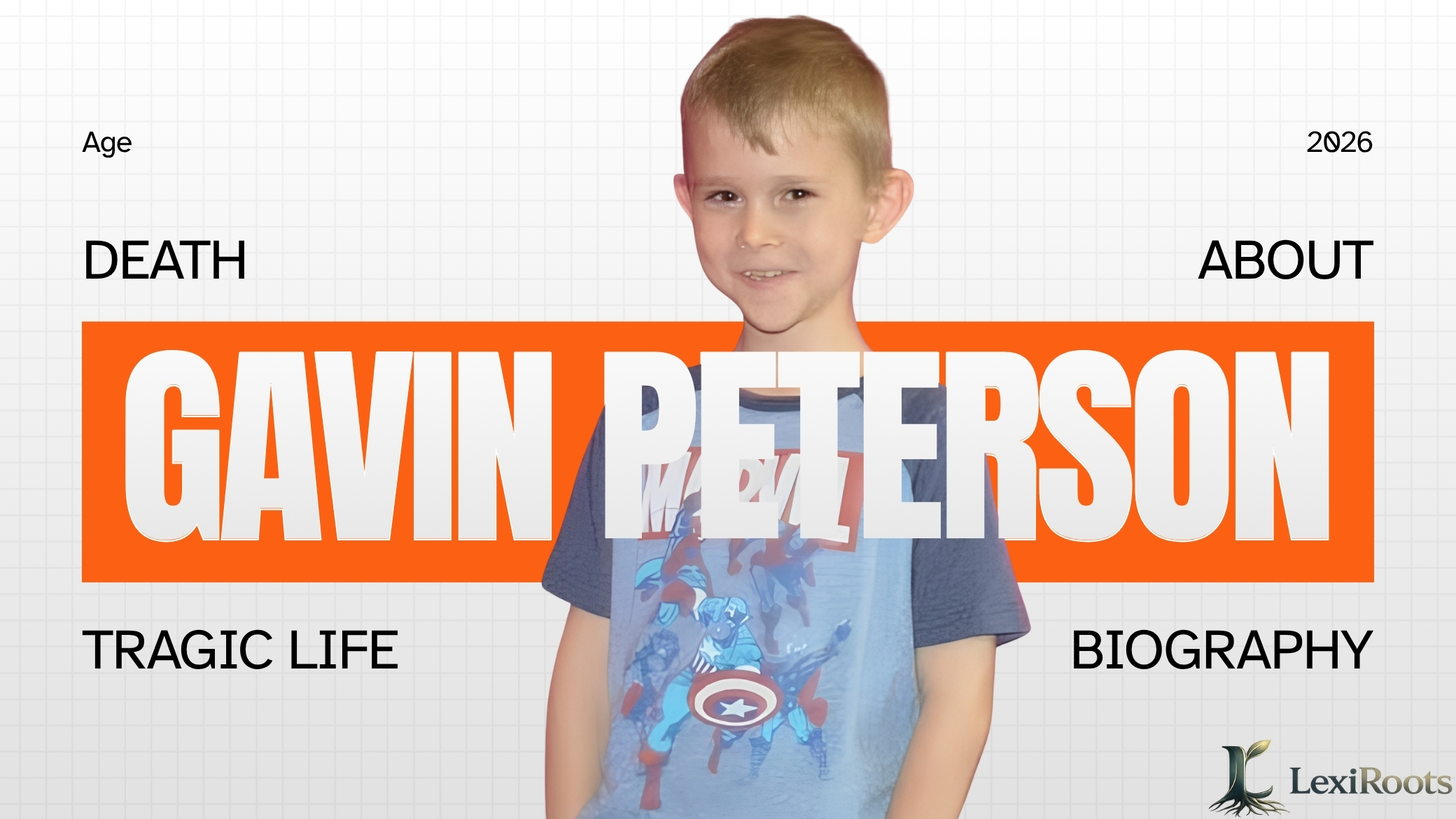
Gavin Peterson was a 12-year-old boy from West Haven, Utah, whose death on July 9, 2024, led to a major criminal case and renewed scrutiny of the state’s child welfare system. Gavin Peterson had been known to Utah’s Division of Child and Family Services (DCFS) through several reports and interventions involving his family. After his death, authorities investigated years of alleged abuse, severe neglect, and malnutrition.
The case eventually resulted in criminal charges against his father, stepmother, and older brother. Court proceedings later brought guilty pleas and prison sentences. Child welfare investigations, family abuse allegations, criminal court proceedings, and Utah DCFS involvement all became central parts of the case.
Gavin Peterson’s Early Life and Family History
The publicly documented story of Gavin Peterson begins with a family structure involving two households. According to Utah’s Department of Health and Human Services, DCFS had worked with the households connected to Gavin at several points beginning as early as 2013. However, the state’s October 2024 CAPTA statement specifically focused on information relevant to the household where Gavin died.
Also read: https://lexiroots.com/carol-hagen/
At the time of his death, Gavin lived in West Haven with his biological father, Shane Peterson, and his father’s longtime girlfriend, Nichole Scott. His older brother, Tyler Peterson, also lived in the home. Later criminal proceedings centered on the roles of all three adults in the abuse that prosecutors and investigators said ultimately contributed to Gavin’s death.
Gavin’s family history became particularly significant because authorities had received reports concerning his welfare before his death. The records show that different reports involved different households and circumstances. In February 2020, DCFS found Gavin had been a victim of abuse in another household and determined that a caregiver had failed to protect him. A juvenile court then ordered both households to participate in in-home services.
The public record therefore does not describe a single incident that suddenly brought authorities into Gavin’s life. Instead, it documents multiple contacts over several years. Those contacts later became an important part of the public discussion surrounding his death and Utah’s child protection system.
Quick Facts About Gavin Peterson
| Field | Details |
|---|---|
| Full Name | Gavin Peterson |
| Nickname | Not publicly confirmed |
| Gender | Male |
| Date of Birth | Not publicly confirmed |
| Age at Death | 12 years old |
| Birthplace | Not publicly confirmed |
| Hometown | West Haven, Utah |
| Residence at Time of Death | West Haven, Utah |
| Nationality | Not publicly confirmed |
| Ethnicity | Not publicly confirmed |
| Religion | Not publicly confirmed |
| Education | Attended school in Utah |
| Profession | Student |
| Languages Spoken | Not publicly confirmed |
| Hobbies & Interests | Not publicly confirmed |
| Marital Status | Not applicable |
| Spouse / Partner | Not applicable |
| Children | None publicly reported |
| Father’s Name | Shane Peterson |
| Mother’s Name | Not publicly confirmed |
| Siblings | Siblings were part of the family described in court and agency records |
Gavin Peterson and Early Child Welfare Reports
The history between Gavin’s family and DCFS became one of the most closely examined aspects of the case. Utah’s official CAPTA statement records that the first report of suspected abuse and neglect in the Peterson home was received on May 28, 2019. During that investigation, DCFS determined that Nichole Scott had physically abused another child in the home. Investigators determined that Gavin was not a victim in that particular case.
The family accepted voluntary in-home services after that investigation. According to DCFS, the agency reviewed the safety concerns after one month and determined that the concerns present when the services began had been resolved. The case was subsequently closed because the agency determined that further intervention was not required at that time.
A separate development occurred in February 2020, when DCFS received concerns specifically involving Gavin. The agency determined that he had been a victim of abuse in another household and that a caregiver had failed to protect him. DCFS petitioned the juvenile court to address the safety concerns and support effective co-parenting between the two households.
On May 27, 2020, the juvenile court ordered both households to participate in DCFS in-home services. The agency later reported that the Peterson family successfully completed its mandated services on May 21, 2021. Gavin remained in his father’s custody, and the in-home services case was eventually closed by the juvenile court. These records are important because they establish documented agency involvement before the final investigation. They also show that earlier cases involved different allegations, households, and investigative findings rather than one continuous open investigation.
The 2022 and 2023 DCFS Investigations
The child welfare history continued after the 2021 closure. On September 2, 2022, approximately 16 months after the Peterson family completed services, DCFS received another report concerning Gavin’s well-being. The report came from someone who had observed behaviors that raised concerns. According to the official CAPTA statement, the report did not meet the legal criteria required to open a new DCFS investigation. A supervisor reviewed the information because of the family’s previous history and agreed with that determination.
The situation changed in March 2023. On March 28, DCFS received a report alleging physical neglect of Gavin and opened an investigation. Two days later, on March 30, another report alleging physical neglect was received and added to the existing investigation. The investigator spoke separately with the people who made the reports. The agency said neither person provided additional information or concerns. Gavin was then interviewed at his school on March 31 without his parents present. According to DCFS, he did not disclose abuse or neglect during that interview.
The investigation continued. On May 3, the investigator visited the home and interviewed Shane Peterson. On May 8, while the case remained open, DCFS received another report alleging physical abuse of Gavin. The investigator returned to the home on May 15 and interviewed the adults and Gavin separately from the alleged abusers. After completing the investigation, DCFS closed the case on May 15, 2023, as “unsupported.” The agency stated that it did not have evidence indicating Gavin had been abused or neglected at that time. No additional calls or information about the Peterson family were received by DCFS between that closure and July 9, 2024.
Gavin Peterson’s Final Days and Death
On July 9, 2024, the circumstances surrounding Gavin Peterson changed the case from a child welfare investigation into a child fatality investigation. According to Utah’s official CAPTA statement, DCFS received a report that Gavin was in an emergency room with injuries that appeared consistent with abuse or neglect and that he was not expected to survive. He died later that same day.
Law enforcement had been called to the West Haven residence after a report involving an unresponsive child. Subsequent court records and news reports described a prolonged pattern of alleged abuse, including severe malnutrition and other forms of mistreatment. The criminal proceedings later provided additional details about what prosecutors said had happened inside the home.
Following Gavin’s death, DCFS opened another investigation. This investigation reached a substantially different finding from the 2023 case. The agency concluded that Gavin had been subjected to severe and chronic physical abuse and severe and chronic physical neglect by Shane Peterson, Nichole Scott, and Tyler Peterson. DCFS described the finding as supported because investigators identified a pattern of abuse that had occurred during periods when the agency did not have contact with Gavin.
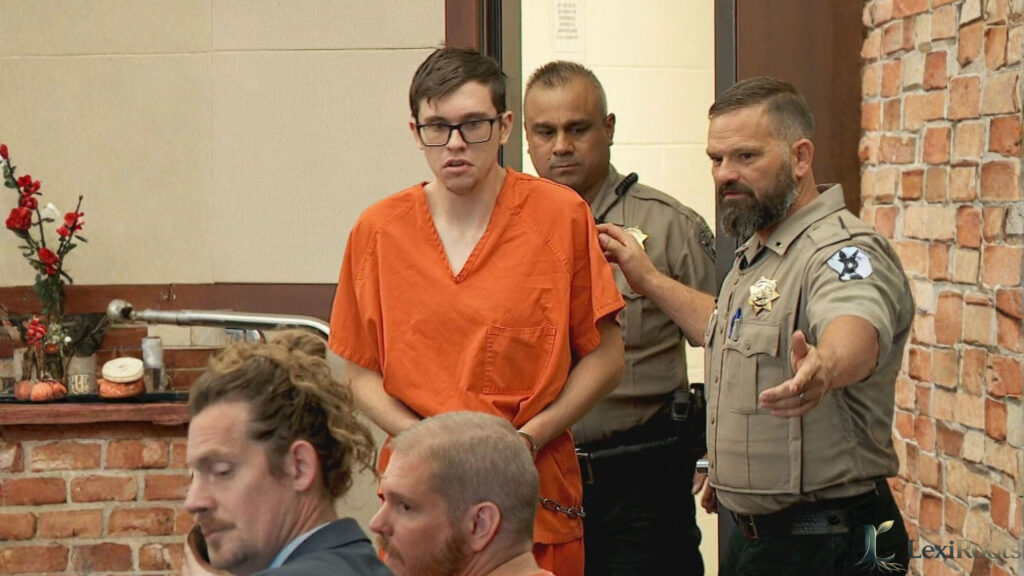
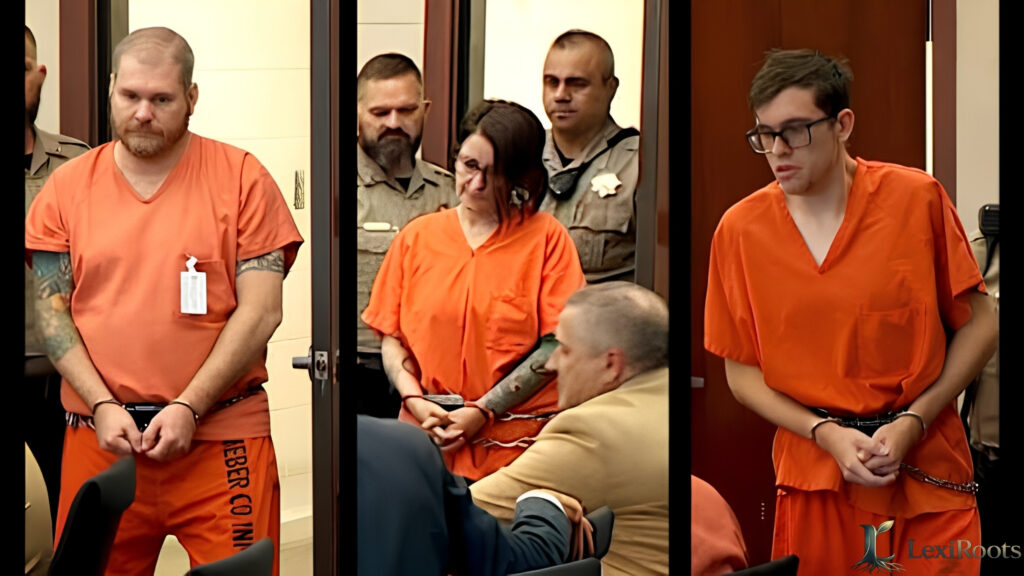
The investigation also found that a relative outside the home had witnessed abuse and neglect but had not contacted authorities or taken action to stop it, according to the agency’s statement. On July 17, 2024, eight days after Gavin’s death, the Weber County Sheriff’s Office arrested Shane Peterson, Nichole Scott, and Tyler Peterson. The three were initially charged with child abuse homicide, aggravated child abuse, and child endangerment. Their subsequent guilty pleas and sentencing proceedings transformed the case into one of Utah’s most closely followed child abuse prosecutions of 2024 and 2025.
The Abuse Allegations That Changed the Case
The criminal case surrounding Gavin Peterson revealed allegations far more serious than the earlier child welfare reports had established. After Gavin’s death, investigators examined the conditions in which he had lived and gathered evidence concerning prolonged physical abuse, neglect, and severe malnutrition. The later investigation produced findings that differed sharply from the unsupported determination reached in the 2023 DCFS investigation.
Court documents described disturbing treatment inside the Peterson household. Prosecutors alleged that Gavin experienced severe restrictions and punishment, including circumstances involving his ability to use the bathroom. The records also described an incident in which his older brother Tyler forced him to hold his bladder while other family members traveled to Disneyland. Investigators characterized the area in which this occurred as a “death camp” in court documents.
Evidence presented during the criminal proceedings also included photographs that prosecutors said showed Gavin lying on a bare floor while covered in feces and wearing only a diaper. Such evidence became central to understanding the severity of the alleged neglect and the conditions investigators said Gavin experienced before his death. The criminal case ultimately established legal responsibility through guilty pleas rather than a trial verdict.
Shane Peterson, Nichole Scott, and Tyler Peterson each pleaded guilty to criminal charges connected to Gavin’s abuse and death. The case therefore developed through several stages. Earlier DCFS investigations had produced different findings, while the post-death investigation uncovered evidence that prosecutors used to support criminal charges. The distinction matters when reviewing Gavin’s story because each investigation concerned information available at a particular time.
Severe Malnutrition and Medical Decline
Gavin’s physical condition became a central issue after emergency responders found him unresponsive on July 9, 2024. Reports from the investigation described a child who had experienced significant physical deterioration before his death. Severe malnutrition was among the allegations that emerged as investigators examined the family’s treatment of him. The emergency began when authorities were called to the West Haven home after a report of an unresponsive male child. The caller reported that Gavin had been sick for several days, including vomiting, and had stopped breathing.
Responders found him cold, but first responders were able to detect a faint pulse. Gavin was transported to a Weber County hospital for emergency treatment. Despite efforts to save him, he died that afternoon. A doctor later described his condition as involving complete organ failure, according to reporting surrounding the case. The medical circumstances raised immediate questions about how a 12-year-old child had reached such a critical condition. Investigators subsequently examined the physical condition Gavin had experienced before his hospitalization and death.
The post-death DCFS investigation concluded that Gavin had suffered severe and chronic physical abuse and severe and chronic physical neglect. The agency attributed those findings to Shane Peterson, Nichole Scott, and Tyler Peterson. These findings were made after investigators reviewed evidence unavailable or not identified during previous investigations. The distinction between the earlier cases and the final investigation remains important. The 2023 investigation was closed as unsupported because DCFS said it lacked evidence that Gavin had been abused or neglected at that time.
Arrests After Gavin Peterson’s Death
The arrests of three family members came only days after Gavin Peterson died. On July 17, 2024, the Weber County Sheriff’s Office arrested Shane Peterson, Nichole Scott, and Tyler Peterson. Authorities accused them of participating in conduct that contributed to Gavin’s death. The initial criminal allegations included child abuse homicide, aggravated child abuse, and child endangerment. Each defendant later entered guilty pleas, meaning the final criminal proceedings did not require prosecutors to prove every allegation through a jury trial.
Shane Peterson faced charges that included child abuse homicide, three counts of aggravated child abuse, and child endangerment. His case ultimately resulted in a prison sentence with a minimum term of 13 years. The sentencing judge also recommended life imprisonment. Nichole Lea Scott pleaded guilty to first-degree murder as well as aggravated child abuse and child endangerment charges. She received a sentence of 15 years to life in Utah State Prison, with the additional sentences ordered to run consecutively. Tyler Peterson, Gavin’s older brother, pleaded guilty to child abuse homicide along with aggravated child abuse and endangerment charges.
He received a sentence of five years to life for child abuse homicide and additional consecutive terms for the other offenses. The charges and sentences reflected different criminal counts and legal outcomes for each defendant. Their cases also demonstrated that prosecutors attributed distinct criminal responsibility to each family member. The arrests became a turning point in the public understanding of Gavin’s death. What initially appeared as the sudden death of a seriously ill child became a major criminal investigation involving allegations of prolonged abuse within his home.
Shane Peterson’s Criminal Case and Sentence
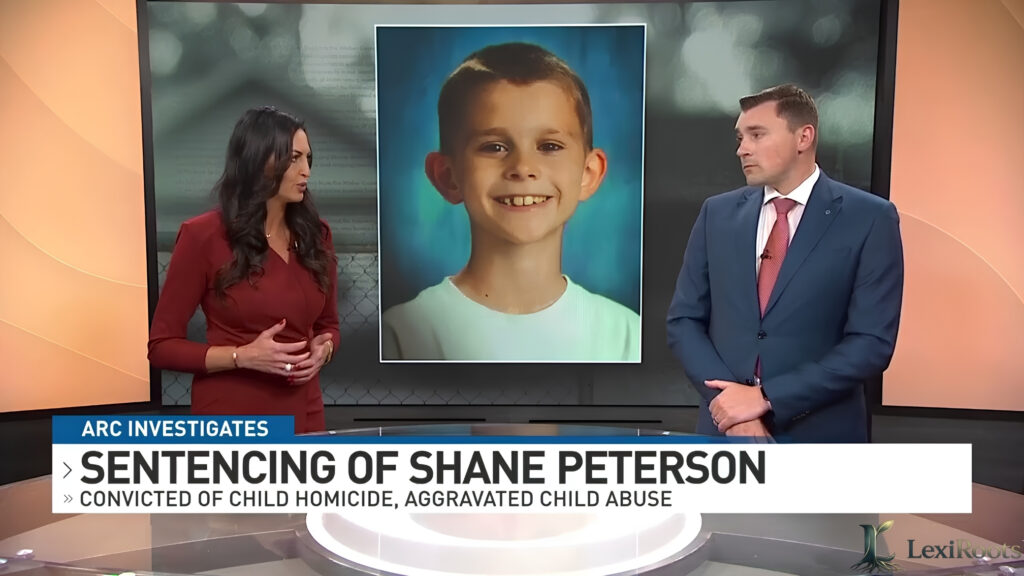
Shane Peterson, Gavin’s biological father, eventually accepted criminal responsibility through a guilty plea. His case involved one count of child abuse homicide, three counts of aggravated child abuse, and one count of child endangerment. In May 2025, a Utah judge sentenced Shane Peterson to a minimum of 13 years in Utah State Prison. The judge recommended life imprisonment, while the separate sentences were ordered to run consecutively. The sentence followed the guilty plea and the evidence presented during the criminal proceedings.
The sentencing hearing provided an opportunity for the court to address the suffering Gavin had experienced. Judge Camille L. Neider spoke directly about the seriousness of the circumstances surrounding his death. The judge said Gavin likely endured “unimaginable suffering” during the weeks or months before his death. She also became visibly emotional during the proceeding and stated that it was the first time in 25 years she had become tearful while sitting on the bench. A sentence represents the court’s legal response to the offenses established through the criminal proceedings.
It also provides a formal record of the consequences imposed on the defendant. In Shane Peterson’s case, the consecutive terms meant that the various offenses were not simply treated as a single punishment. The case also drew attention because Shane was Gavin’s biological father and had been responsible for his care. That relationship became particularly significant in discussions surrounding the family’s history with child welfare authorities. The court proceedings did not erase the earlier timeline of DCFS involvement. Instead, they added a criminal justice record to an already lengthy child welfare history involving reports, investigations, services, and later findings of severe abuse and neglect.
Nichole Scott’s First Degree Murder Plea
Nichole Lea Scott, Gavin’s stepmother and Shane Peterson’s longtime girlfriend, faced some of the most serious charges in the case. She ultimately pleaded guilty to first-degree murder in connection with Gavin’s death. Her plea also covered aggravated child abuse and child endangerment charges. Scott received a sentence of 15 years to life in Utah State Prison. Her other sentences were ordered to run consecutively, creating additional legal consequences beyond the sentence associated with the murder conviction.
The criminal proceedings described Scott’s role within the household where Gavin lived before his death. The post-death DCFS investigation concluded that Gavin had suffered severe and chronic physical abuse and neglect involving Scott, Shane Peterson, and Tyler Peterson. The murder plea distinguished Scott’s case from Shane Peterson’s child abuse homicide conviction. Although both defendants faced serious allegations connected to Gavin’s death, they ultimately entered different pleas and received different sentences.
The court’s handling of Scott’s case also illustrates why criminal charges should be distinguished from final outcomes. Charges represent accusations made by prosecutors, while guilty pleas establish the defendant’s legal admission to the offenses covered by those pleas. By pleading guilty, Scott avoided a trial on the charges while accepting criminal responsibility for the offenses to which she pleaded. Her 15-years-to-life sentence became part of the final judicial record of the case. The circumstances surrounding Scott’s conviction also contributed to broader public scrutiny of the adults responsible for Gavin’s care.
Tyler Peterson’s Role in the Case
Tyler Peterson, Gavin’s older brother, was also prosecuted after the 12-year-old’s death. His case differed from those of Shane Peterson and Nichole Scott because Tyler was Gavin’s sibling rather than a parent or parental partner. Tyler pleaded guilty to child abuse homicide. He also received convictions for two counts of aggravated child abuse and one count of child endangerment. His sentence included five years to life for child abuse homicide. The court imposed additional terms of one to 15 years for each aggravated child abuse count and one to 15 years for endangerment.
These sentences were ordered according to the court’s sentencing structure, and Tyler received credit for 246 days he had already spent in custody. His sentencing had initially been delayed while the court arranged a mental health evaluation. That evaluation was part of the legal process surrounding his sentencing rather than a basis for speculating about his mental state. Court records also described allegations concerning Tyler’s treatment of Gavin. Among the evidence discussed in the case was the allegation that Tyler forced Gavin to hold his bladder while other family members went to Disneyland.
The incident became one of the most disturbing details publicly associated with the prosecution. The guilty plea established Tyler’s legal responsibility for the offenses to which he pleaded. It also meant the allegations covered by those charges did not proceed to a full criminal trial. Tyler’s sentence became another part of the broader legal response to Gavin’s death. Together, the three defendants’ cases created a criminal record documenting the different charges, pleas, and punishments connected with the child’s final months.
Utah DCFS Findings After Gavin Peterson’s Death
The investigation after Gavin Peterson died produced findings that drew intense attention to Utah’s child protection system. Following his death on July 9, 2024, the Utah Division of Child and Family Services opened a new investigation into the circumstances surrounding his treatment and death. According to the agency’s October 2024 CAPTA statement, DCFS determined that Gavin had experienced severe and chronic physical abuse and severe and chronic physical neglect. The agency identified Shane Peterson, Nichole Scott, and Tyler Peterson in those findings.
The investigation also concluded that some of the abuse had taken place during periods when DCFS did not have contact with Gavin. This distinction became significant when officials reviewed the family’s earlier history with the agency. DCFS had previously investigated reports involving Gavin and his family. Some investigations resulted in services, while the March 2023 investigation was closed as unsupported. The later investigation following Gavin’s death produced substantially more serious findings.
The agency also reported that a relative outside the household had witnessed abuse but did not report it. This finding added another dimension to the case because child safety can depend on information reaching authorities before conditions become life-threatening. The final DCFS findings did not represent the same thing as the criminal convictions.
DCFS findings concern child welfare determinations, while criminal convictions resulted from separate court proceedings. In Gavin’s case, however, both records documented serious concerns about the treatment he experienced before his death. The case therefore raised questions about what information authorities possessed at different times and what could reasonably have been known during earlier investigations.
Why the Previous Investigations Matter
The history before Gavin’s death became central to public discussion because DCFS had interacted with his family for years. The existence of previous investigations does not automatically establish that authorities could have predicted the circumstances of July 2024. Each investigation depended on the information available to investigators at that particular time. In May 2019, DCFS received a report involving suspected abuse and neglect in the Peterson home. Investigators determined that Nichole Scott had physically abused another child, while they determined Gavin was not a victim in that particular investigation.
The family accepted voluntary in-home services, and the case closed after approximately one month. A new investigation began in February 2020. DCFS concluded that Gavin had been abused in another household and that a caregiver had failed to protect him. The juvenile court subsequently ordered both households to participate in services. The Peterson family completed mandated in-home services in May 2021, according to DCFS. The case eventually closed through the juvenile court process. In September 2022, another report was made concerning Gavin.
DCFS determined that the information did not meet the legal threshold for opening an investigation. A supervisor reviewed the decision because of the family’s history. In March 2023, DCFS received two reports alleging physical neglect and opened an investigation. A later report in May alleged physical abuse. Gavin was interviewed at school and separately from the adults in the household. Investigators eventually closed the case as unsupported. These events became important after Gavin’s death because they showed that the family had appeared in child welfare records multiple times before the final investigation.
The Audit and Utah Child Welfare Debate
Gavin’s death also led to broader scrutiny of Utah’s child welfare system. Lawmakers ordered an audit of DCFS after questions emerged about the agency’s previous involvement with the family and the circumstances surrounding the final investigation. The audit became part of a larger discussion about how child protection agencies respond when reports involve possible abuse or neglect. The case highlighted the difficulty of assessing risk when investigators have limited access to a child or household. Early information can give child welfare authorities an opportunity to assess conditions before a crisis occurs.
One legislative proposal sought to make it easier for caseworkers to obtain warrants when parents refused to allow them to investigate. The proposal was rejected. Its consideration nevertheless demonstrated the policy questions raised by the case. Utah DCFS Director Tonya Myrup said she continued conversations with lawmakers about ways to improve the system. The discussion focused on child safety procedures and how agencies can respond to information suggesting that a child may be at risk. The policy debate also needs to be separated from the criminal cases.
The audit concerned the operation of a public child welfare agency, while the criminal proceedings established the legal responsibility of the three defendants through guilty pleas. The case demonstrated why child protection often involves difficult decisions based on incomplete information. A report may not contain enough evidence to support intervention at one moment, while later information can change the assessment dramatically. For families, schools, relatives, medical professionals, and neighbors, the broader lesson is that concerns about a child’s safety can require prompt reporting.

Personal Information of Gavin Peterson
Full Name
Gavin Peterson’s full name is Gavin Peterson.
Date of Birth
Gavin Peterson’s exact date of birth has not been publicly confirmed in the available official records.
Age
At the time of his death on July 9, 2024, Gavin Peterson was 12 years old.
Birthplace
Gavin Peterson’s exact birthplace has not been publicly confirmed in the available records.
Nationality
Gavin Peterson’s nationality has not been specifically stated in the available official child welfare records.
Ethnicity
Gavin Peterson’s ethnicity has not been publicly confirmed in reliable records reviewed for this case.
Religion
Gavin Peterson’s religion has not been publicly documented in the available official records.
Education
Gavin Peterson was a school-aged child and was interviewed at his school during the March 2023 DCFS investigation.
Hobbies
Gavin Peterson’s personal hobbies and interests have not been publicly documented in the reliable records available about his case.
Marital Status
Gavin Peterson was a 12-year-old child, so marital status is not applicable.
Spouse or Partner
Gavin Peterson did not have a spouse or partner.
Children
Gavin Peterson had no children.
Parents
Gavin Peterson’s biological father was Shane Peterson; the available records do not reliably establish his mother’s identity.
Siblings
Gavin Peterson had siblings, including his older brother Tyler Peterson, who was prosecuted in connection with Gavin’s death.
Physical Appearance
Height
Gavin Peterson’s height has not been publicly confirmed in the reliable records available for this case.
Weight
Gavin Peterson’s exact weight has not been publicly confirmed, although court and investigative records described severe malnutrition before his death.
Eye Color
Gavin Peterson’s eye color has not been publicly documented in the official records reviewed.
Hair Color
Gavin Peterson’s hair color has not been reliably documented in the available public case records.
Body Type
Gavin Peterson’s body type has not been publicly established through reliable biographical records.
Skin Tone
Gavin Peterson’s skin tone has not been publicly documented in the official sources reviewed.
Shoe Size
Gavin Peterson’s shoe size has not been publicly confirmed.
Tattoos
There is no reliable public record establishing that Gavin Peterson had tattoos.
Piercings
There is no reliable public record establishing that Gavin Peterson had piercings.
Distinctive Features
Public records primarily document Gavin Peterson’s age, medical deterioration, and the circumstances surrounding his death rather than distinctive physical features.
Social Media Profiles
Because Gavin Peterson was a minor, no verified public social media accounts can be reliably attributed to him from the official records used for this case. Publishing or guessing personal handles would risk presenting private or unverified information as fact.
Frequently Asked Questions
Who was Gavin Peterson?
Gavin Peterson was a 12-year-old boy from West Haven, Utah, who died on July 9, 2024. His death led to a criminal investigation involving his father, his father’s longtime girlfriend, and his older brother, as well as renewed scrutiny of Utah’s child welfare system.
How old was Gavin Peterson when he died?
Gavin Peterson was 12 years old when he died on July 9, 2024. Authorities were called to his West Haven home after he was reported unresponsive. Emergency responders found him in critical condition and transported him to a Weber County hospital, where he later died.
What happened to Gavin Peterson?
Gavin Peterson became critically ill after experiencing severe abuse and neglect, according to later investigations and court proceedings. He was found unresponsive at his home on July 9, 2024. He was transported to a hospital but died later that day. His death resulted in criminal charges against three family members.
Where did Gavin Peterson live?
Gavin Peterson lived in West Haven, Utah, with his biological father Shane Peterson, his father’s longtime girlfriend Nichole Scott, and his older brother Tyler Peterson. The household became the focus of the criminal investigation following Gavin’s death.
Did DCFS know about Gavin Peterson before his death?
Yes. Utah’s Division of Child and Family Services had contact with households connected to Gavin beginning as early as 2013. DCFS received multiple reports involving his welfare over subsequent years, including investigations in 2019, 2020, and 2023. The agency later investigated his death.
What did the 2023 DCFS investigation find?
The March 2023 investigation followed reports alleging physical neglect and later physical abuse. DCFS interviewed Gavin at school and visited the home. The agency eventually closed the investigation as unsupported because it said the available evidence did not establish abuse or neglect at that time.
Who was arrested after Gavin Peterson’s death?
Shane Peterson, Nichole Scott, and Tyler Peterson were arrested on July 17, 2024, eight days after Gavin’s death. They faced charges connected to child abuse, neglect, endangerment, and Gavin’s death. All three later entered guilty pleas to criminal charges.
What happened to Shane Peterson?
Shane Peterson pleaded guilty to child abuse homicide, three counts of aggravated child abuse, and child endangerment. In May 2025, he received a minimum sentence of 13 years in Utah State Prison, with the judge recommending life imprisonment. His sentences were ordered to run consecutively.
What happened to Nichole Scott?
Nichole Lea Scott pleaded guilty to first-degree murder, aggravated child abuse charges, and child endangerment. She was sentenced to 15 years to life in Utah State Prison. Her additional sentences were also ordered to run consecutively.
What happened to Tyler Peterson?
Tyler Peterson pleaded guilty to child abuse homicide, two counts of aggravated child abuse, and child endangerment. He received five years to life for child abuse homicide, plus additional one-to-15-year terms. He received credit for 246 days already served.
Did Utah investigate its child welfare system after Gavin’s death?
Yes. Gavin’s death prompted increased scrutiny of Utah DCFS and its handling of previous reports involving the family. Utah lawmakers ordered an audit of the agency. A proposal concerning easier access to warrants for investigations was also considered but rejected.
What can someone do if they suspect child abuse in Utah?
Utah provides a 24-hour child abuse and neglect reporting hotline at 1-855-323-3237. Reports can also be submitted through the Utah Division of Child and Family Services website. If a child faces an immediate emergency, contacting emergency services is appropriate.
Conclusion
The story of Gavin Peterson involves a 12-year-old child whose death exposed a documented history of child welfare involvement, criminal abuse allegations, and serious questions about child protection. DCFS had received reports involving Gavin and his family years before his death, while later investigators concluded that he had suffered severe and chronic physical abuse and neglect. His father Shane Peterson, stepmother Nichole Scott, and older brother Tyler Peterson ultimately pleaded guilty to criminal charges connected with the abuse and his death.
The case also prompted scrutiny of Utah’s child welfare practices and led lawmakers to examine how investigations are conducted when concerns are reported. At the same time, the records show why each investigation must be understood according to the evidence available at that time. For anyone concerned about a child’s safety, the practical lesson is straightforward: report credible concerns promptly so trained authorities can assess the situation and determine what protection may be needed.