

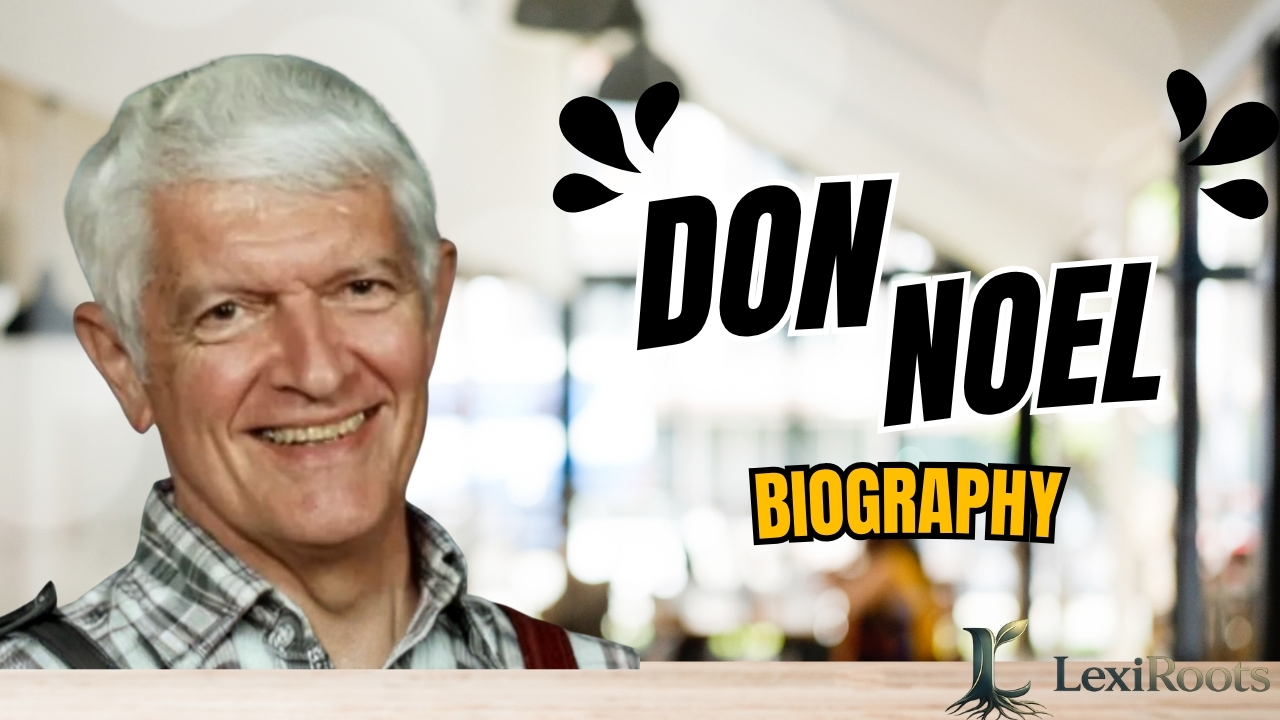
Don Noel spent nearly four decades chronicling Connecticut’s political life, first as a reporter, then as a television correspondent, and finally as one of the state’s most respected newspaper columnists. Few names carry as much weight in Hartford journalism circles as Don Noel, whose tri-weekly column in The Hartford Courant became required reading for anyone tracking Connecticut politics.
Also read: https://lexiroots.com/gavin-peterson/
He covered governors, senators, and civil rights battles with the same unflinching curiosity he brought to his own late-life reinvention as a fiction writer. Born in 1931 and active in journalism until his death in 2025 at age 93, Noel’s career offers a rare window into how regional political reporting shaped public accountability in the American Northeast for generations of readers.
Quick Facts About Don Noel
| Field | Details |
|---|---|
| Full Name | Don O. Noel Jr. |
| Nickname | Don |
| Gender | Male |
| Date of Birth | 1931 (exact date not publicly documented) |
| Date of Death | June 30, 2025 |
| Age at Death | 93 |
| Birthplace | Elizabeth, New Jersey, USA |
| Hometown | Hartford (Blue Hills neighborhood), Connecticut |
| Last Residence | Seabury Retirement Community, Bloomfield, Connecticut |
| Nationality | American |
| Religion | Religious Society of Friends (Quaker) |
| Education | West Orange High School; Deep Springs College; Cornell University (BA); Fairfield University (MFA) |
| Profession | Journalist, newspaper columnist, television correspondent, author |
| Languages Spoken | English |
| Hobbies & Interests | Writing fiction, bicycling, theater, opera, symphony, restoring vintage cars |
| Marital Status | Widower |
| Spouse | Elizabeth “Brad” Foulds Noel (married 1953, predeceased him) |
| Children | Daughter Emily Noel Sullivan; son Ken Noel (predeceased) |
| Father’s Name | Don Noel Sr. |
| Mother’s Name | Catherine Noel |
| Siblings | Sister Maggie Semola; brother Jon Noel (predeceased) |
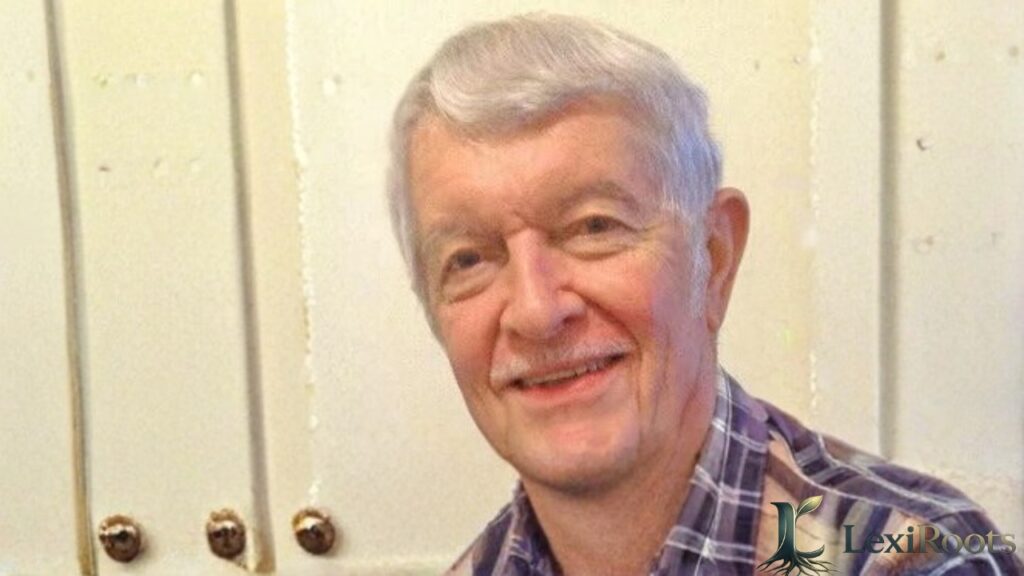
Who Was Don Noel and Why He Still Matters
Ask any longtime Connecticut political reporter about Don Noel, and you’ll hear the same word repeated: institution. He wasn’t a household name outside New England, but inside Connecticut’s statehouse press corps, he set the standard. Noel covered three eras of the state’s politics across three different newsrooms. He started at The Hartford Times in 1958. He ended at The Hartford Courant in 1997. In between, he spent a decade on television, anchoring political coverage for WFSB.
That range is rare. Few journalists move between print and broadcast and back again while keeping their editorial authority intact. Former US Senator Chris Dodd once described him as an old-school reporter who refused to skirt difficult issues. That reputation followed Noel through governors William O’Neill, Lowell Weicker, and John Rowland. He held them all to the same standard, regardless of party.
Early Life, Deep Springs and Cornell Beginnings
Don Noel was born in Elizabeth, New Jersey, to Don and Catherine Noel. He graduated from West Orange High School before making an unconventional choice: Deep Springs College, a tiny, remote work-study school in the California desert. Noel later called that experience one of the most formative of his life. From Deep Springs, he transferred to Cornell University to finish his bachelor’s degree.
During the summer of 1952, he drove a restored 1930 Model A Ford across all 48 contiguous states on his way to campus, filing weekly travel dispatches to the Newark Sunday News along the way. That trip planted the instinct for long-form reporting that would define his career. It was at Cornell, at a Quaker gathering, that Noel met Elizabeth “Brad” Foulds, the woman he would marry. Their meeting set the course for both his personal life and his early career choices, including a stint overseas driven by his convictions as a conscientious objector.
Marrying Brad and the Journey Through Japan
Don Noel and Brad Foulds married in 1953. Soon after, Noel applied for and received recognition as a conscientious objector, and the couple accepted an assignment with the American Friends Service Committee in Tokyo. There, they directed and expanded weekend and summer work camps, helping young Japanese adults manage community programs. When their term ended, the couple didn’t fly straight home. Instead, they backpacked through more than two dozen countries across Asia and Europe.
That extended, ground-level travel experience gave Noel a global perspective that few American regional journalists carried into their newsrooms. Returning to Connecticut, Brad’s home state, the couple settled into a life that would center on Hartford for the next five decades. Their daughter Emily was born in 1958, the same year Noel entered daily journalism, and their son Ken arrived two years later.
Breaking Into Journalism at The Hartford Times
Don Noel began his professional reporting career in 1958 at The Hartford Times. While working full time, he also designed and built his own family home in New Hartford, teaching himself construction skills as he went, a detail that says as much about his work ethic as any front-page byline. As his career progressed, Noel became increasingly involved in city and civil rights reporting.
In 1964, he and Brad moved their family into the integrated Blue Hills neighborhood of Hartford, where they would live for the next fifty years and where both children attended public school. This wasn’t a distant beat for Noel. He lived inside the communities and issues he covered, which shaped the credibility that later defined his columns. That closeness between reporter and subject became a hallmark of his approach to Connecticut political journalism throughout the 1960s and beyond.
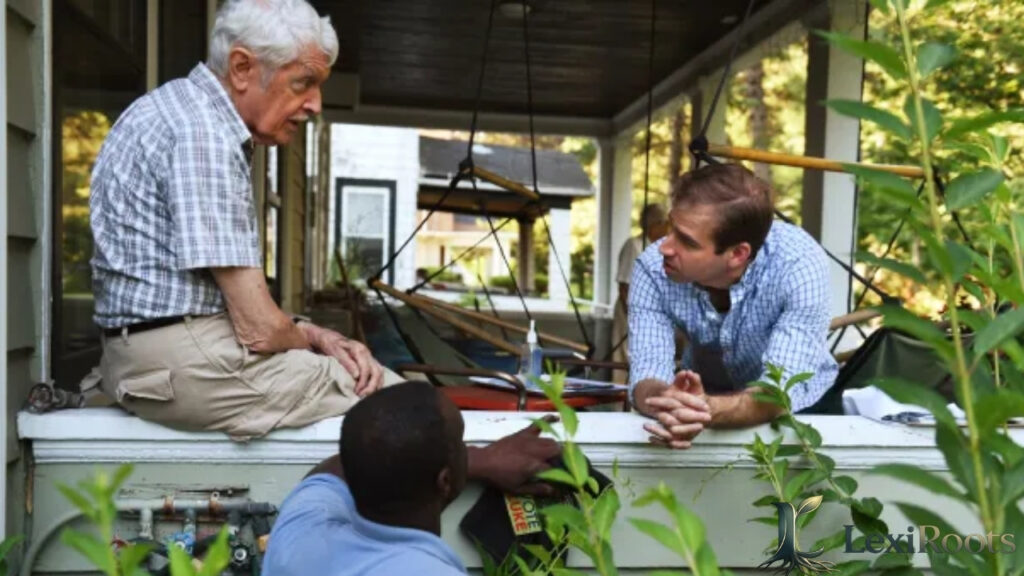
The Pulitzer-Winning Negro in Hartford Series
In 1963, Don Noel wrote “The Negro in Hartford,” a 40-page special tabloid section examining race relations in the city. The project won The Hartford Times a Pulitzer Prize special citation, one of the clearest markers of his early journalistic impact. The series reflected Noel’s broader interest in social and civic issues beyond routine political coverage.
At a time when many regional papers avoided sustained coverage of race, Noel’s editors backed a full special section, and it paid off with national recognition. That project cemented his reputation inside The Hartford Times newsroom and positioned him for the fellowship and management opportunities that followed over the next decade. It also set a template he would return to throughout his career: deep, sustained reporting over quick, surface-level coverage of complicated civic issues.
Alicia Patterson Fellowship and Global Reporting
In 1965, Don Noel received an Alicia Patterson Fellowship, a prestigious award that funded a year of independent reporting abroad. He used the fellowship to study economic development along two major rivers: the Mekong in Cambodia and the Danube in Romania. This fellowship year placed Noel among a select group of American journalists given the freedom to pursue in-depth, self-directed international reporting rather than daily deadline coverage.
Few Connecticut-based reporters of his era received this kind of recognition on a global stage. When he returned to The Hartford Times, Noel moved into a series of managerial roles, building on the credibility earned through both his Pulitzer-cited series and his fellowship reporting. That trajectory led him toward the top editorial position at the paper within a decade.
Rising to Editor and a Sudden Resignation
Don Noel was named editor of The Hartford Times in 1974, the peak of his print career at that point. The role didn’t last. When a new, ultra-conservative publisher took over with a different editorial direction, Noel resigned rather than compromise his standards. That decision reflected the same independence that had defined his reporting from the start.
Rather than staying in a role that conflicted with his editorial judgment, he walked away and pursued an entirely different medium: television news. The move from print editor to broadcast correspondent wasn’t a step down. It was a lateral shift that let Noel keep covering Connecticut politics on his own terms, just through a different lens and a different audience, at a station with its own growing influence in the state.
A Decade on Camera at WFSB
In 1975, Don Noel joined WFSB as senior news correspondent, covering Connecticut politics and state government for the next ten years. He delivered on-air editorials under the banner “Noel’s Notebook” and hosted the weekly interview program “Face the State.” This decade on television broadened his audience well beyond newspaper readers.
Connecticut viewers who never picked up The Hartford Times or The Hartford Courant still knew Noel’s voice and analysis through his nightly editorials and his interview program with state political figures. Colleagues later remembered this period as central to his identity as a journalist. He wasn’t simply reading headlines. He was interpreting Connecticut politics in real time, on camera, using the same direct and probing style that had defined his print reporting for nearly two decades.
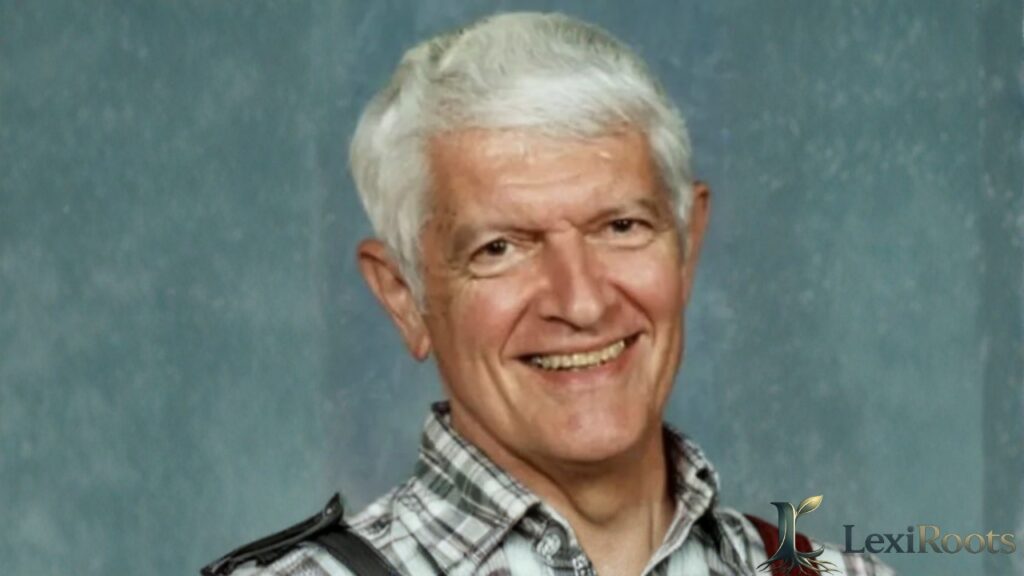
Political Columnist at The Hartford Courant
After a decade on television, Don Noel returned to print in the mid-1980s, joining The Hartford Courant as its op-ed political columnist. He wrote tri-weekly columns analyzing Connecticut politics until his retirement in 1997, a run of roughly twelve years at the paper. This period cemented his legacy. Longtime Courant columnist Denis Horgan later wrote that Noel moved across the state’s political landscape with surety and style, trodding on toes across the political spectrum without ever being intimidated by short-term politicians.
Noel covered Governors William O’Neill, Lowell Weicker, and John Rowland during this stretch, among many other state figures. His columns were known for direct language and pointed questions, reflecting his stated belief that a journalist’s role was to represent the reader, not the powerful.
Retirement, Fiction Writing and a Late-Life MFA
Retirement in 1997 didn’t slow Don Noel down. He redirected his creative energy into fiction writing, starting with “Near a Far Sea,” a self-published memoir about building and managing a beachfront rental house on Jamaica’s unspoiled southwest coast. Years into retirement, Noel went back to school and earned his MFA from Fairfield University at age 86, an unusually late-career academic achievement that speaks to his lifelong curiosity.
He went on to publish dozens of short stories in print and online literary journals. Noel maintained a personal website, referred to in his obituary as “Comma-bending with Don Noel,” where readers could find his published fiction. This second act as a short story writer ran for nearly three decades after his newspaper retirement, right up until his final months.
Community Service and Civic Involvement
Beyond the newsroom, Don Noel stayed deeply engaged in Hartford civic life. He served as secretary of the Blue Hills Civic Association for more than a decade, sat on the Board of Directors of the ACLU of Connecticut, and later served as president of the Residents Council at Seabury. He and Brad were also active supporters of the arts in Hartford, regularly attending theater, opera, symphony, and ballet performances.
For three decades, a weekend trip to Tanglewood was an annual tradition, and for twenty of those years, the couple bicycled the 65 miles to get there. These details matter because they round out the picture of a journalist who didn’t just report on his community from a distance. Noel invested his personal time in the same civic institutions and cultural life that his columns so often examined and championed.
Awards, Honors and Professional Recognition
Don Noel’s most significant professional honors include the 1963 Pulitzer Prize special citation awarded to The Hartford Times for his “The Negro in Hartford” series, and the 1965 Alicia Patterson Fellowship that funded his international reporting on economic development. His retirement from The Hartford Courant in 1997 drew public tribute from then-US Senator Chris Dodd, who praised his courteous but unflinching approach to interview subjects.
Fellow columnist Denis Horgan’s retirement tribute is still cited by Connecticut journalists as a defining description of Noel’s career. While Noel didn’t collect a long list of industry trophies in the way some national correspondents do, his recognition came through the durability of his influence: nearly forty years of continuous political coverage across three different newsrooms, trusted by readers and politicians alike.
His Writing Style and Editorial Philosophy
Don Noel’s reporting philosophy is best summarized in his own words, recalled by colleagues after his death: a journalist’s job was to comfort the afflicted and afflict the comfortable. That single line explains nearly every editorial choice he made across four decades of Connecticut political coverage. Denis Horgan, a fellow Hartford Courant columnist, described Noel as someone who moved across the state’s political landscape with surety and style. Horgan noted that Noel trod on toes across the political spectrum, refusing to let powerful figures intimidate him into softer coverage.
This wasn’t combative journalism for its own sake. Noel was widely remembered as courteous and respectful toward the people he interviewed, even when he asked difficult questions. That balance between civility and persistence became his signature, distinguishing his columns from both softer access journalism and purely adversarial commentary that dominated some competing outlets.
His approach also reflected his Quaker background. Noel treated interview subjects, including governors and senators, with personal respect while still holding them accountable in print. Readers came to trust that his columns weren’t performances of outrage, but careful, grounded assessments of Connecticut’s political decisions and the people making them.
Life in Hartford’s Blue Hills Neighborhood
In 1964, Don Noel and his wife Brad made a deliberate choice to move their young family into Hartford’s Blue Hills neighborhood, one of the city’s integrated residential areas at the time. Both of their children attended public school there, and the family remained in Blue Hills for the next five decades. Noel was known locally as an early riser who anxiously awaited his morning newspaper delivery. Family lore holds that he frequently met the delivery carrier at the front door, issuing a stern reprimand for any tardiness. That paperboy eventually became his son-in-law, marrying his daughter Emily years later.
Beyond his own household, Noel served the neighborhood directly. He spent more than a decade as secretary of the Blue Hills Civic Association, putting his organizational skills to use outside the newsroom. Local merchants and neighbors remembered him warmly after his death, with the Blue Hills merchants association specifically noting how much he would be missed. This kind of sustained, personal investment in one Hartford neighborhood for fifty years is unusual for a journalist covering statewide politics. It gave Noel a grounded, street-level perspective that likely informed how he wrote about civic issues affecting ordinary Connecticut residents, not just statehouse insiders.
The Farewell Message That Surprised Colleagues
Just days before his death, Don Noel published a detailed farewell note on Facebook, catching many of his friends and former colleagues off guard. Posted on June 22, 2025, the message opened with Noel questioning his own word choice: “Why final?” The post reached more than 1,000 Facebook friends, a network built over years of staying connected with former colleagues, political contacts, and Hartford community members. For a journalist whose career began with a hand-cranked Model A Ford road trip in 1952, ending his public life with a social media farewell captured just how long his career had spanned.
Noel’s death came within days of two other veteran Connecticut broadcast journalists from his era: Tom Monahan of Channel 30 and Mark Davis of WTNH, Channel 8. Local coverage noted that all three had been respected reporters who personally knew scores of the state’s political leaders, marking the close of a distinct generation in Connecticut journalism. That overlap wasn’t lost on colleagues who had covered the same statehouse beats for decades. Noel, Monahan, and Davis represented a style of regional political reporting built on personal relationships and long institutional memory, a model increasingly rare in modern newsrooms.
Books and Short Fiction After Retirement
Don Noel’s post-retirement writing career deserves attention on its own, separate from his decades in daily journalism. His first major project was “Near a Far Sea,” a self-published memoir recounting his experience building and managing a beachfront rental property in a remote village on Jamaica’s unspoiled southwest coast. That memoir reflected a lifelong pattern in Noel’s life: seeking out unconventional, hands-on experiences and then writing about them in detail, the same instinct that drove his 1952 cross-country road trip dispatches decades earlier. Writing fiction gave him a creative outlet distinct from the deadline pressure of daily political columns.
After earning his MFA from Fairfield University at age 86, Noel published dozens of short stories across both print and online literary journals. He maintained a personal website, referenced in his obituary as “Comma-bending with Don Noel,” specifically to host this body of short fiction for readers. This second creative career ran for roughly 28 years, nearly as long as his combined newspaper and television career. Few journalists sustain a second serious writing practice this long after retirement, and it speaks to Noel’s identity as a writer first, regardless of the medium or format he happened to be working in.
Legacy in Connecticut Journalism
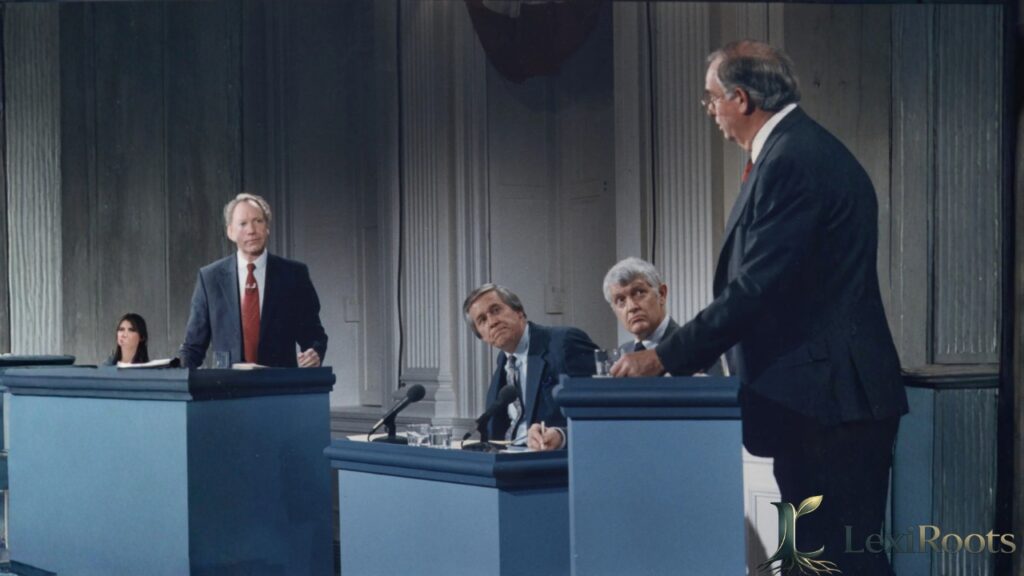
Don Noel’s influence on Connecticut journalism outlasted his byline. He belonged to a small circle of statehouse reporters, alongside contemporaries like longtime Courant columnist Colin McEnroe, who shaped how the public understood Hartford politics across multiple decades and multiple governors’ administrations. What set Noel apart was his refusal to stay in one lane. Most journalists build a career in either print or broadcast.
Noel moved between both, twice, ending his working life exactly where he started: writing for readers rather than viewers, but carrying the on-camera clarity he developed at WFSB back into his printed columns. His 1963 Pulitzer-cited series on race in Hartford remains a reference point for local historians studying how mid-century American newspapers approached civil rights coverage.
Decades later, his tri-weekly Courant columns are still cited by Connecticut political observers as a model for direct, accountable regional commentary. Perhaps his most lasting legacy is simpler: five decades of showing up in the same Hartford neighborhood, at the same civic meetings, asking the same direct questions of whoever held power that year. That consistency, more than any single award, is why his name still carries weight among people who covered Connecticut politics alongside him.
Personal Information of Don Noel
Full Name
Don Noel’s full name is Don O. Noel Jr.
Date of Birth
Don Noel was born in 1931; the exact calendar date is not publicly documented.
Age
Don Noel died on June 30, 2025, at the age of 93.
Birthplace
Don Noel was born in Elizabeth, New Jersey.
Nationality
Don Noel held American nationality.
Ethnicity
Don Noel’s specific ethnic background is not publicly documented beyond his American upbringing.
Religion
Don Noel was associated with the Religious Society of Friends, commonly known as the Quakers, reflected in his conscientious objector status and lifelong ties to Quaker meetings.
Education
Don Noel completed his early education at West Orange High School, began college at Deep Springs College, earned his BA from Cornell University, and later completed an MFA at Fairfield University at age 86.
Hobbies
Don Noel enjoyed writing fiction, bicycling, restoring vintage automobiles, and attending theater, opera, symphony, and ballet performances.
Marital Status
Don Noel was a widower at the time of his death, having been married for 65 years.
Spouse or Partner
Don Noel was married to Elizabeth “Brad” Foulds Noel, whom he met at a Quaker gathering at Cornell and married in 1953.
Children
Don Noel had two children, daughter Emily Noel Sullivan and son Ken Noel, who predeceased him.
Parents
Don Noel’s father was Don Noel Sr. and his mother was Catherine Noel.
Siblings
Don Noel had a sister, Maggie Semola, and a brother, Jon Noel, who predeceased him.
Physical Appearance
Don Noel was a print and broadcast journalist rather than an entertainment figure, so detailed physical statistics such as height, weight, or eye color were never part of his public record. The information below reflects only what is documented rather than estimated.
Public Record
Detailed measurements including height, weight, eye color, hair color, body type, skin tone, and shoe size are not publicly documented for Don Noel and are not estimated here out of respect for accuracy.
Later-Life Appearance
Published obituary photographs show Noel in his later years at Seabury Retirement Community, consistent with a man in his nineties, though no further descriptive detail is part of the public record.
Distinctive Features
Don Noel was best known publicly for his on-air presence during his decade at WFSB, where Connecticut viewers recognized him through his editorial segment “Noel’s Notebook” rather than any specific physical trait.
Social Media Profiles
Don Noel was active on Facebook and maintained a personal website for his fiction writing, but he did not have a public presence on other major platforms.
Noel used Facebook actively in his final years, including posting a widely shared farewell message to his network of more than 1,000 friends shortly before his death.
Official Website
Comma-bending with Don Noel — his personal site hosting his published short stories and literary work from retirement onward.
Frequently Asked Questions
Who was Don Noel?
Don Noel was an American journalist best known as a longtime political columnist for The Hartford Courant and a former television news correspondent at WFSB in Connecticut, covering state politics for nearly four decades.
When did Don Noel die?
Don Noel died on June 30, 2025, at his home at the Seabury Retirement Community in Bloomfield, Connecticut, at the age of 93.
What newspaper did Don Noel write for?
Don Noel wrote for The Hartford Times starting in 1958 and later for The Hartford Courant, where he served as op-ed political columnist from the mid-1980s until his retirement in 1997.
Did Don Noel win a Pulitzer Prize?
Don Noel did not personally hold a Pulitzer Prize, but his 1963 series “The Negro in Hartford” earned The Hartford Times a Pulitzer Prize special citation.
What TV station did Don Noel work for?
Don Noel worked at WFSB as senior news correspondent from 1975 to the mid-1980s, delivering editorials called “Noel’s Notebook” and hosting “Face the State.”
Was Don Noel married?
Yes. Don Noel was married to Elizabeth “Brad” Foulds Noel for 65 years, from 1953 until her death, and the couple had two children together.
What did Don Noel do after retirement?
After retiring from The Hartford Courant in 1997, Don Noel wrote fiction, self-published a memoir called “Near a Far Sea,” and earned an MFA from Fairfield University at age 86.
Where did Don Noel go to college?
Don Noel began his higher education at Deep Springs College in California before transferring to Cornell University, where he earned his bachelor’s degree.
Did Don Noel have children?
Don Noel had two children, daughter Emily Noel Sullivan and son Ken Noel, along with a grandson, TJ Noel-Sullivan.
What awards did Don Noel receive?
Don Noel’s career highlights include a 1963 Pulitzer Prize special citation for The Hartford Times and a 1965 Alicia Patterson Fellowship for international reporting.
Where was Don Noel from?
Don Noel was born in Elizabeth, New Jersey, but spent most of his adult life in the Blue Hills neighborhood of Hartford, Connecticut.
Conclusion
Don Noel’s career traces a rare arc through three different Connecticut newsrooms, from a Pulitzer-cited investigative series in 1963 to a decade of on-air political analysis at WFSB, and finally to twelve years as The Hartford Courant’s op-ed columnist. His willingness to resign rather than compromise his editorial standards, paired with a late-career reinvention as a published fiction writer, shows a journalist who valued independence over convenience at every stage of his life. For anyone researching Connecticut’s political journalism history, Don Noel’s byline remains a useful reference point for how sustained, community-rooted reporting builds lasting public trust.